

The journey starts with an early morning drive from Kathmandu, heading northwest along the Trishuli River. The route passes through picturesque landscapes of terraced fields, lush forests, and traditional villages. After reaching Dhunche, a key stop for permits and a short rest, the road descends steeply through winding trails and scenic valleys.
Arriving in Chilime by late afternoon or evening, you’ll settle into this serene village, known for its traditional charm and proximity to the Chilime Hydropower Project. Take the evening to rest, enjoy local food, and prepare for the trek ahead.
/ 3
Ruby Valley Trek 6 Days
Start-End Location
Kathmandu/Kathmandu
Difficulty
Strenuous
Grade: Easy
Suitable for beginners. Gentle walks and low altitudes.
Grade: Moderate
Requires basic fitness. Rolling terrain with steep climbs.
Grade: Strenuous
Demanding. High altitude trails and rough terrain.
Transportation
Jeep/Bus
Max. Altitude
3,842 m
Trip Duration
6 Days
Meals
Breakfast,Lunch & Dinner
Accommodation
Tea house & home stay
Key Highlights of the Ruby Valley Trek
-
Explore the hidden Ruby Valley between Langtang National Park and the Manaslu region.
-
Start from Shyabrubesi and visit Gatlang, a cultural highlight of the Tamang Heritage Trail.
-
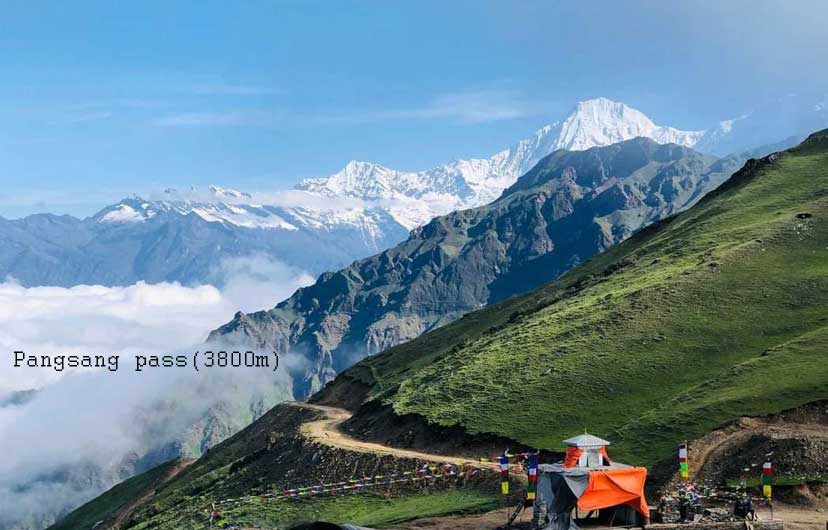
Cross Pangsang La Pass (3,842 m / 12,604 ft) with panoramic views of Ganesh Himal, Langtang, and Manaslu.
-
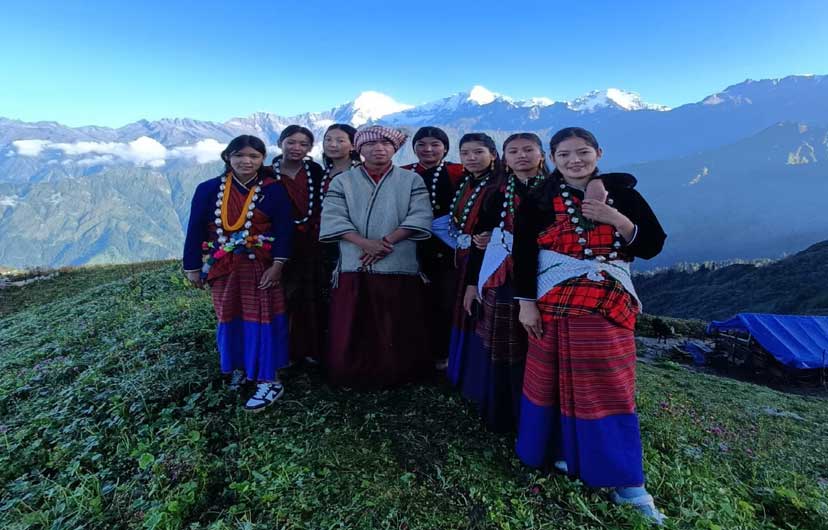
Stay in community homestays and experience the culture of Tamang, Gurung, Ghale and Lama.
-
Visit the sacred alpine lakes of Ganesh Kunda, Kalo Kunda, and Seto Kunda on extended camping trips.
-
Discover the natural treasures including ruby, crystal, zinc, copper deposits, and rare Himalayan medicinal herbs.
-
Enjoy a peaceful, less-crowded trekking experience with moderate difficulty.
-
Easily accessible from Kathmandu with a scenic drive to the trek's starting point.
Overview
The Ruby Valley Trek is one of Nepal’s most rewarding off-the-beaten-path trekking adventures. Located between the famous Langtang and Manaslu regions in north-central Nepal, this hidden trail offers an unforgettable combination of Himalayan scenery, authentic culture, and peaceful mountain landscapes away from the crowds.
Also known as the Pangsang Pass Trek, the journey begins from Shyabrubesi, the gateway to the popular Langtang Valley Trek. The trail first reaches Gatlang, one of the cultural highlights of the Tamang Heritage Trail, before entering the remote Ruby Valley beneath the spectacular Ganesh Himal range. Along the way, terraced fields, traditional villages, rivers, waterfalls, rhododendron forests, and alpine landscapes are crossed before reaching the scenic Pangsang La Pass (3,842 m / 12,604 ft).
Unlike Nepal’s popular trekking routes, the Ruby Valley Trek remains largely untouched by mass tourism. Traditional mountain villages, Buddhist monasteries, Christian churches, and centuries-old customs have been preserved, allowing visitors to experience the authentic lifestyle of the Himalayan people.
The trek passes through villages inhabited by Tamang, Gurung, Ghale and Lama. Where warm hospitality, traditional architecture, and local culture create a memorable trekking experience. Whether you are seeking spectacular mountain views, meaningful cultural encounters, or peaceful hiking trails. Ruby Valley Trek offers a unique Himalayan adventure.
Why Is It Called Ruby Valley?
The valley derives its name from the valuable minerals found in the region. Deposits of ruby, crystal, zinc, and copper have been discovered within the Ganesh Himal range, inspiring the name “Ruby Valley.”
For centuries, this region also served as an important trade corridor between Nepal and Tibet. Local communities exchanged medicinal herbs and natural resources for salt, wool, and turquoise, leaving behind a rich cultural and trading heritage that continues to shape the valley today.
The Beauty of Ruby Valley
Stretching between the Langtang and Manaslu regions, the Ruby Valley Trek showcases remarkable natural diversity. The trail winds through lush forests of rhododendron, pine, and oak, alongside terraced farmland, deep river valleys, waterfalls, and peaceful alpine meadows.
Throughout the journey, magnificent views can be enjoyed of:
- Ganesh Himal Range
- Paldor Peak
- Langtang Lirung
- Manaslu
- Lamjung Himal
- Numerous surrounding Himalayan peaks
Because the region remains less developed than Nepal’s famous trekking destinations, its pristine landscapes provide an ideal environment for nature lovers, photographers, and trekkers looking for solitude.
Pangsang La Pass – The Highlight of the Trek
One of the most rewarding parts of the Ruby Valley Trek is crossing Pangsang La Pass (3,842 m / 12,604 ft).
From the top of the pass, spectacular panoramic views are offered across the Ganesh Himal, Langtang Himal, Manaslu, Lamjung Himal, and Paldor Peak. On clear days, snow-covered mountains stretch across the horizon while alpine meadows, traditional villages, and terraced hillsides can be seen below.
The gradual transition from subtropical forests to high alpine terrain makes each day of the trek unique and rewarding.
Sacred Lakes and Natural Treasures
Beyond its mountain scenery, the Ruby Valley is home to several sacred alpine lakes hidden within the Ganesh Himal region. Ganesh Kunda, Kalo Kunda, and Seto Kunda are regarded as holy by both Hindus and Buddhists and attract pilgrims during special religious festivals.
The region is also known for its rich biodiversity. Valuable Himalayan medicinal herbs, including Yarsagumba (Caterpillar Fungus), Jatamansi, Chiraito, and other alpine plants, grow naturally in the higher elevations. Combined with its mineral deposits and untouched wilderness, these natural treasures make the region one of Nepal’s most fascinating mountain regions.
Trekkers wishing to visit these remote lakes should be prepared for camping, as permanent accommodation is not available in the upper alpine areas.
Culture and Local Communities
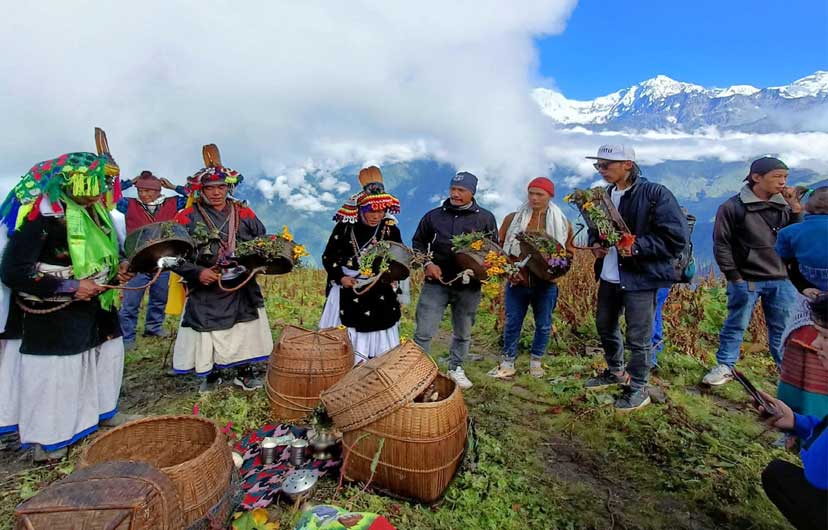
One of the greatest attractions of the trek is its cultural diversity. The region is home to Tamang, Gurung, Ghale and Lama communities, each preserving unique traditions, languages, and customs that have been passed down through generations.
Buddhism remains the dominant religion throughout the valley, while ancient Bon traditions continue to influence local beliefs. Christian communities have also become part of the region’s cultural landscape, and both churches and Buddhist monasteries can be visited along the trekking route.
Trekkers have the opportunity to experience traditional village life, taste homemade local cuisine, participate in seasonal festivals, and learn about the customs of Himalayan communities. Because tourism remains limited, genuine cultural exchanges can be enjoyed in a natural and respectful environment.
Natural Hot Springs
A natural hot spring is located between Chalish Gaon and Hindung. Where many trekkers take time to relax after several days of hiking. The mineral-rich water provides a refreshing break before continuing toward Pangsang La Pass and the higher mountain villages.
Difficulty Level
The Ruby Valley Trek is considered a moderate trekking adventure and is suitable for anyone with a reasonable level of fitness.
Daily walks usually last 5 to 7 hours over mountain trails that include gradual ascents, forest paths, stone staircases, and occasional steep sections, particularly near Pangsang La Pass. Previous trekking experience is helpful but not essential when the trek is completed at a comfortable pace with proper acclimatization.
This trek is especially suitable for:
- Trekkers seeking a quieter alternative to Nepal’s popular routes
- Nature lovers and photographers
- Travelers interested in authentic cultural experiences
- Adventure seekers looking to explore hidden Himalayan valleys
Best Time for the Ruby Valley Trek
The best seasons for the Ruby Valley Trek are spring (March to May) and autumn (September to November).
During spring, hillsides are covered with colorful rhododendron blooms while temperatures remain pleasant for trekking. Autumn is considered the most popular season because of its stable weather, crystal-clear skies, and outstanding mountain views.
Winter trekking is also possible for experienced trekkers. Although snowfall may occur around Pangsang La Pass, the peaceful trails and clear mountain scenery make it a rewarding season for those prepared for colder conditions.
The monsoon season is generally less suitable because heavy rainfall can make trails muddy and reduce visibility.
Food and Accommodation
Unlike Nepal’s commercial trekking routes, the Ruby Valley Trek is primarily a community homestay trek. Accommodation is provided by local families, allowing visitors to experience authentic mountain hospitality while directly supporting the local economy.
Rooms are simple, clean, and comfortable, with either private or shared accommodation available in most villages.
Meals are freshly prepared using locally grown ingredients. Popular dishes include Dal Bhat, chapati, potatoes, noodles, seasonal vegetables, eggs, and traditional homemade meals. Although the menu is more limited than on the Everest or Annapurna trekking routes, the food is nutritious, fresh, and an important part of the cultural experience.
Permits for the Ruby Valley Trek
Most sections of the Ruby Valley Trek do not require entry permits. Because the route lies outside Nepal’s protected conservation areas.
However, if your itinerary starts or finishes through Shyabrubesi. Enters Langtang National Park, a Langtang National Park Entry Permit is required for that section of the trek.
Permit regulations may change over time, so checking the latest requirements before traveling is always recommended.
Why Trek with Ruby Alpine Trails?
Ruby Alpine Trails offers more than a guided trek. We provide an authentic journey led by a team with deep local knowledge and strong connections to the Ruby Valley region.
As a locally based trekking company, we share the history, traditions, hidden trails, and cultural heritage that make this area unique. Our experienced guides ensure that every trek is conducted safely while creating meaningful connections. With the communities you visit.
We are committed to:
- Experienced local guides with regional expertise
- Safe and well-organized trekking experiences
- Flexible itineraries tailored to your interests
- Authentic cultural interactions
- Responsible tourism that benefits local communities
Included
-
Transportation from the hotel to the bus park by car.
-
Kathmandu to Chilime and from Borang to Kathmandu by sharing jeep.
-
Lodge accommodation in a homestay during your trek.
-
Meals (Breakfast, lunch, and dinner) three times a day.
-
National park entrance permits and TIMS card.
-
One fluent English-speaking, government-registered, experienced, first-aid-trained guide who is friendly and familiar with the area.
-
Required porters (one porter for two clients).
-
If you don't have your own, we provide sleeping bags, jackets, and walking poles for your convenience.
-
Guide/porter costs including food, accommodation, bus transportation, salary, insurance, and equipment.
Excluded
-
Hotel accommodation in Kathmandu.
-
Personal equipment.
-
All beverages (soft drinks, hard drinks, mineral water, etc.) during the trek and Desserts.
-
Hot showers and laundry services.
-
Personal insurance.
-
Tips for the guide and porter.
-
Any costs and expenses not listed under "Cost Includes."
-
Costs or delays beyond the management’s control, such as landslides, weather conditions, itinerary modifications for safety reasons, illness, and changes in government policies, strikes, and similar factors.
Itinerary
Availability
No upcoming departures are currently scheduled. Please contact us to arrange a custom date.
Essential Trip Information
Essential Trip Information
-
Accommodation Facilities
During the Ruby Valley Trek, accommodations are primarily basic teahouses, lodges, or homestays in the local villages. Rooms are simple, often with shared bathrooms. The lodging provides a cozy atmosphere, where trekkers can rest after a day of hiking, with basic amenities like a bed, blankets, and sometimes heating.
-
Food
The food along the trek is mostly traditional Nepali cuisine, served in teahouses or local eateries. Common meals include dal bhat (lentil soup with rice), vegetable curries, momo (dumplings), and noodles. You can also find Western options like pasta, fried rice, and potatoes. Tea, coffee, and snacks such as biscuits and nuts are available at most stops. The food is simple but nutritious, ideal for fueling your trek.
Frequently Asked Questions
Rubi Valley is famous for its pristine landscapes, diverse cultures, ruby-like rhododendrons, and local gemstones.
It’s named after the rubi-like rhododendrons and local gemstone deposits in the area.
No. of Pax
Price per
Pax
1 Pax
USD $550
2 Pax
USD $530
3–4 Pax
USD $520
5–6 Pax
USD $510
see more…
No. of Pax
1
Price per person
—
No. of travelers
1
Total Price
—
Clients Review

Prem Tamang
1 month ago

Haowen C
2 months ago
Extremely great experience with yakub! 3rd time with him in nepal, doing ABC, Lang Tang (Yala Peak) and Manaslu Circuit. Highly recommend!
Amol Tamang
2 months ago

Jonathan Then
2 months ago
Had the best experience during our Manaslu Circuit Trek in early April 2026 with the most experience guide Yakub!

Jacob Koh
2 months ago
Yakub is the best guide u will get in Nepal. I trust my life with him. He brings the best crew u can get and the crew makes so much difference to ur hike!!!

Ber
2 months ago
Amazing experience with Yakub and his team! Did a couple of hikes with him, including Manaslu Circuit and Langtang valley! Highly recommend

Evan Dutton
2 months ago
I completed the Manaslu Circuit Trek in 2019 with Yakub Ghale, whom I met through a different trekking company at that time. It was truly an unforgettable experience in Nepal. Huge thanks to Yakub for his excellent guidance, deep local knowledge, and constant support throughout the journey. He was professional, friendly, and always focused on our safety and comfort.
Recently, I saw his company, Ruby Alpine Trails, shared on social media, and I couldn’t stop myself from writing this review. After experiencing his guiding service personally, I can confidently say he has now built a strong and trustworthy trekking company.
I highly recommend Ruby Alpine Trails to anyone planning to visit or trek in Nepal. With his passion, expertise, and dedication, I am sure he and his team will organize an exceptional and memorable journey for every traveler.
Thank you, Yakub, for making this adventure so special!
Recently, I saw his company, Ruby Alpine Trails, shared on social media, and I couldn’t stop myself from writing this review. After experiencing his guiding service personally, I can confidently say he has now built a strong and trustworthy trekking company.
I highly recommend Ruby Alpine Trails to anyone planning to visit or trek in Nepal. With his passion, expertise, and dedication, I am sure he and his team will organize an exceptional and memorable journey for every traveler.
Thank you, Yakub, for making this adventure so special!