

Everest Base Camp with Island Peak Climbing adventure begins with an early morning scenic flight from Kathmandu to Lukla, the gateway to the Everest region. The 35-minute mountain flight offers impressive views of the Himalayan landscapes before landing at the famous Lukla airstrip.
After meeting your trekking team, you begin walking through the Dudh Koshi Valley toward Phakding. The trail passes through small Sherpa villages, green forests, and beautiful riverside landscapes.
This short trekking day allows you to gradually adjust to the mountain environment before continuing toward higher elevations.

/ 3
Everest Base Camp Trek with Island Peak Climbing
Start-End Location
Kathmandu/Kathmandu
Difficulty
Easy
Grade: Easy
Suitable for beginners. Gentle walks and low altitudes.
Transportation
Flight to & from Lukla
Max. Altitude
6,189 m
Trip Duration
16 Days
Meals
breakfast,Lunch & Dinner
Accommodation
Tea house and Tent
Trip Highlights
-
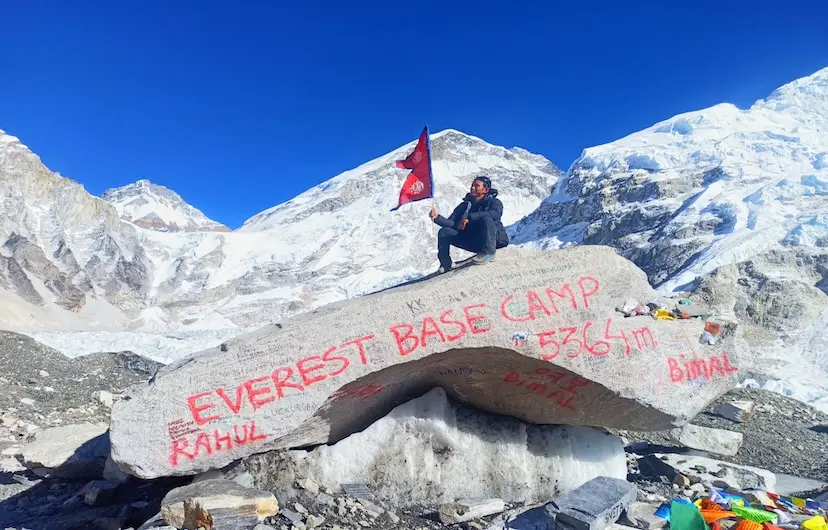
Trek to the world-famous Everest Base Camp (5,364 m).
-
Summit Island Peak (6,189 m), one of Nepal’s most popular trekking peaks.
-
Enjoy panoramic views of Everest, Lhotse, Nuptse, Ama Dablam, and Makalu.
-
Experience the legendary Lukla flight with spectacular Himalayan scenery.
-
Explore Namche Bazaar, the cultural and trading hub of the Khumbu region.
-
Visit the historic Tengboche Monastery, surrounded by Himalayan peaks.
-
Experience authentic Sherpa culture, traditions, and mountain hospitality.
-
Cross glaciers and learn basic mountaineering skills.
-
Enjoy sunrise views from viewpoints such as Kala Patthar (5,545 m).
-
Cross the legendary Kongma La (5,545m) one of the highest Pass in the region.
-
Challenge yourself with a rewarding Himalayan summit experience.
Overview
The Everest Base Camp Trek with Island Peak Climbing is one of Nepal’s most rewarding Himalayan adventures, combining the legendary journey to the base of Mount Everest with the excitement of climbing a 6,000-meter trekking peak. This adventure is ideal for travelers who want to experience high-altitude trekking, Himalayan mountaineering, breathtaking landscapes, and authentic Sherpa culture in one unforgettable journey.
The adventure takes through the heart of the Khumbu region, following the classic Everest Base Camp trail through traditional Sherpa villages, ancient monasteries, and dramatic mountain landscapes. After reaching Everest Base Camp (5,364 m / 17,598 ft) and enjoying views of the Khumbu Icefall, the journey continues toward Island Peak (6,189 m / 20,305 ft), also known as Imja Tse.
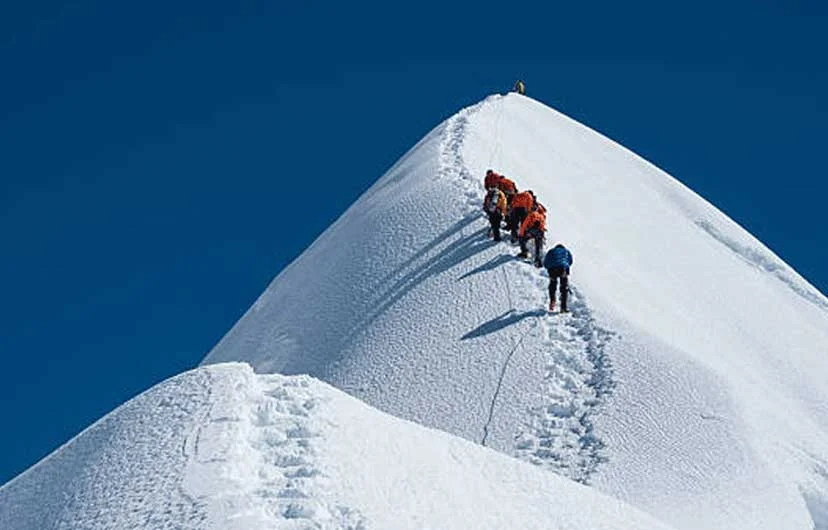
Island Peak is one of Nepal’s most popular trekking peaks and is considered an excellent introduction to Himalayan climbing. Although the summit requires physical fitness, basic mountaineering skills, and proper preparation, it is achievable for adventurous trekkers with guidance from experienced climbing professionals.
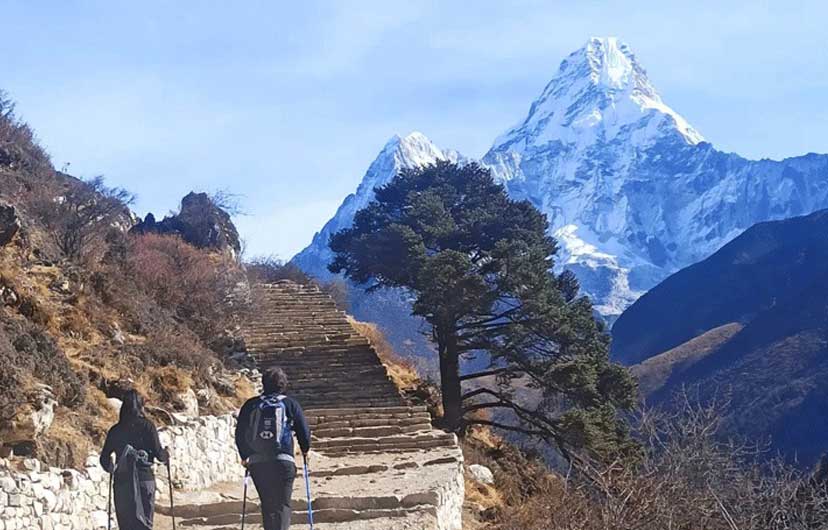
Throughout the journey, you will walk among some of the world’s highest mountains, including Mount Everest (8,848.86 m), Lhotse (8,516 m), Nuptse (7,861 m), Ama Dablam (6,812 m), and Makalu (8,485 m). Beyond the mountain scenery, the trek provides opportunities to experience Sherpa traditions, Buddhist culture, and the unique lifestyle of Himalayan communities.
Starting from Kathmandu, the journey begins with a scenic flight to Lukla (2,860 m), the gateway to the Everest region. The trail passes through famous destinations such as Phakding, Namche Bazaar, Tengboche, Dingboche, Lobuche, and Gorak Shep before reaching Everest Base Camp. After completing the base camp section, climbers head toward Chhukung Valley and Island Peak Base Camp for the summit adventure.
Why Choose Everest Base Camp with Island Peak Climbing?
The Everest Base Camp Trek with Island Peak Climbing offers more than a traditional Himalayan trek by combining cultural exploration, high-altitude trekking, and a true mountain climbing experience.
The biggest attraction of this adventure is the opportunity to stand at Everest Base Camp and then continue toward the summit of Island Peak. Instead of ending the journey at the base camp, climbers experience the satisfaction of reaching a Himalayan summit above 6,000 meters.
Island Peak provides valuable mountaineering experience for future climbing goals. During the expedition, climbers learn essential alpine skills, including:
- Using crampons
- Handling climbing ropes
- Ice axe techniques
- Glacier travel
- Basic rope safety
The journey also offers incredible landscape diversity. The trail changes from green forests and rivers in the lower Khumbu region to rocky valleys, glaciers, and snow-covered mountains at higher elevations.
Another major highlight is the cultural experience. The Khumbu region is home to the Sherpa community, known for their mountaineering heritage and warm hospitality. Along the route, you will visit monasteries, walk beside prayer walls, spin Buddhist prayer wheels, and experience traditions that have existed for generations.
This expedition is perfect for trekkers who want a greater challenge than a normal Everest Base Camp trek while gaining confidence and experience in Himalayan climbing.
Where Is Island Peak Located?
Island Peak (Imja Tse) is located in the Khumbu region of eastern Nepal, inside Sagarmatha National Park, a UNESCO World Heritage Site. The peak stands at 6,189 meters (20,305 feet) above sea level and lies near the beautiful Chhukung Valley.
The mountain received the name “Island Peak” because it appears like an island surrounded by a sea of glaciers and giant Himalayan peaks when viewed from the surrounding valleys.
The peak is surrounded by some of Nepal’s most famous mountains, including Lhotse, Nuptse, Ama Dablam, and Makalu. Its location makes it a perfect addition to the Everest Base Camp route because climbers can combine two of Nepal’s greatest Himalayan experiences in one journey.
Although Island Peak is classified as a trekking peak, the climb involves glacier sections, steep snow slopes, and fixed rope climbing near the summit. Proper acclimatization, climbing preparation, and experienced guides are essential for a safe ascent.
Everest Base Camp Trek and Island Peak Climbing Route
The Everest Base Camp with Island Peak Climbing route follows the famous Khumbu trail before heading toward the Imja Valley for the summit attempt.
The journey begins in Kathmandu with final preparation and equipment checks. A scenic mountain flight takes you to Lukla, where the trek officially begins.
The route follows:
Kathmandu → Lukla → Phakding → Namche Bazaar → Tengboche → Dingboche → Lobuche → Gorak Shep → Everest Base Camp → Kala Patthar →Lobuche → Chhukung → Island Peak Base Camp → Island Peak Summit → Chhukung → Namche Bazaar → Lukla → Kathmandu
The first part of the trek follows the classic Everest Base Camp trail, passing through Sherpa villages, monasteries, and spectacular mountain viewpoints. After reaching Everest Base Camp, the route continues toward Chhukung Valley. Crossing the Kongmola pass which is also the one of the higher passes during Everest three passes trek.
How Difficult Is Everest Base Camp with Island Peak Climbing?
The Everest Base Camp Trek with Island Peak Climbing is considered a challenging adventure because it combines high-altitude trekking with technical climbing.
The Everest Base Camp section requires good endurance due to long walking days, changing weather, and high elevation. Trekkers normally walk around 5–8 hours per day, depending on the distance and altitude.
The Island Peak climbing section is more demanding because it involves:
- Glacier crossings
- Steep snow slopes
- Fixed rope sections
- Cold temperatures
- Early morning summit climbing
The main challenges include:
- High altitude and reduced oxygen
- Long trekking days
- Physical endurance requirements
- Technical climbing sections
- Mental preparation
However, with proper training, gradual acclimatization, and professional guidance, many adventure trekkers successfully complete the climb.
Island Peak is considered an excellent introduction to 6,000-meter Himalayan climbing because it provides a realistic summit experience without requiring advanced expedition-level skills.
Is Previous Climbing Experience Required for Island Peak?
Previous mountaineering experience is not mandatory for Island Peak climbing, but good preparation and physical fitness are important.
Many first-time climbers successfully summit Island Peak after receiving proper training from experienced guides. Before the summit attempt, climbers learn essential skills such as:
- Crampon walking
- Ice axe techniques
- Rope handling
- Glacier safety
- Fixed rope climbing
Previous high-altitude trekking experience is helpful because it improves confidence and adaptation. Treks such as Everest Base Camp, Annapurna Base Camp, and Manaslu Circuit provide useful preparation.
Before joining the expedition, trekkers should focus on:
- Cardiovascular training
- Strength exercises
- Long-distance hiking
- Stair climbing
- Backpack training
A successful climb depends on preparation, patience, and proper acclimatization.
Island Peak Summit Day Experience
The Island Peak summit day is the most challenging and rewarding part of the expedition. Climbers usually begin the ascent around midnight or early morning to reach the summit during the best weather conditions.
The climb starts with a gradual walk before reaching the glacier section. Climbers use technical equipment including:
- Crampons
- Harness
- Ice axe
- Helmet
- Climbing ropes
As the route becomes steeper, fixed ropes may be used to safely climb the upper sections. The final summit ridge requires concentration, teamwork, and determination.
Reaching the summit of Island Peak (6,189 m) provides unforgettable views of:
- Mount Everest
- Lhotse
- Nuptse
- Ama Dablam
- Makalu
- Baruntse
- Amphu Lapcha
After enjoying the summit views, climbers carefully descend back to Base Camp and continue their journey through the Khumbu region.
Island Peak vs Lobuche Peak
Island Peak and Lobuche Peak are two of Nepal’s most famous trekking peaks, both located in the Everest region. However, each mountain offers a different challenge.
Lobuche Peak (6,119 m) is located near Everest Base Camp and has two main summits: Lobuche East and Lobuche West. Lobuche East is the most commonly climbed peak and offers a technical climbing experience.
Comparison:
| Feature | Island Peak | Lobuche Peak |
| Elevation | 6,189 m | 6,119 m |
| Location | Imja Valley | Near Lobuche village |
| Technical Difficulty | Moderate | Moderate to Challenging |
| Main Challenge | Glacier crossing and steep summit ridge | Steeper climbing sections and technical terrain |
| Best Approach | Through Chhukung Valley | Through Everest Base Camp route |
| Views | Everest, Lhotse, Makalu, Ama Dablam | Everest, Pumori, Nuptse, Khumbu Glacier |
Island Peak is often preferred by climbers looking for their first 6,000-meter summit because it provides excellent climbing training.
Lobuche Peak is suitable for climbers seeking a slightly more technical experience and a greater challenge after gaining some mountaineering knowledge. Both peaks provide incredible Himalayan views and rewarding summit experiences.
Three Peaks Climbing in the Everest Region
For experienced adventure seekers, the Everest region offers the opportunity to climb multiple trekking peaks in one expedition. The Three Peaks Climbing Adventure combines:
- Pokalde Peak (5,806 m)
- Lobuche East Peak (6,119 m)
- Island Peak (6,189 m)
This challenging expedition allows climbers to experience different types of Himalayan climbing within one journey.
Pokalde Peak Climbing provides an introduction to high-altitude peak climbing with less technical difficulty. Lobuche Peak adds a more challenging climbing experience, while Island Peak offers the final and highest summit adventure.
The three peaks combination is ideal for climbers who want:
- Multiple Himalayan summit experiences
- Advanced trekking challenges
- Technical climbing practice
- A deeper exploration of the Everest region
The route also includes famous destinations such as Everest Base Camp, Kala Patthar, Kongma La Pass, and Chhukung Valley.
Because of the long duration, high altitude, and demanding climbing sections, this expedition requires excellent fitness, previous trekking experience, and strong determination.
The Everest Base Camp Trek with Island Peak Climbing is more than just a trekking and climbing adventure. It is a journey of exploration, challenge, and personal achievement in the heart of the Himalayas.
From walking through Sherpa villages and ancient monasteries to standing at Everest Base Camp and reaching the summit of Island Peak, every moment creates unforgettable memories.
With proper preparation, experienced guidance, and determination, this incredible Himalayan adventure can become one of the greatest achievements of your life.
Included
-
Round-trip domestic flight tickets between Kathmandu/Ramechhap and Lukla.
-
Three meals a day during the trek and climbing period: breakfast, lunch, and dinner. A choice of Italian, Chinese, Nepali, Indian, and various European dishes is available, with one main course provided per meal.
-
Accommodation in teahouses on a twin-sharing basis, as per the itinerary.
-
A sleeping bag suitable for temperatures down to –25°C.
-
Everest National Park Entry Permit.
-
Khumbu Pasang Lhamu Rural Municipality Entrance Permit.
-
Experienced, English-speaking, government-licensed trekking guide.
-
One porter for every 2–3 trekkers. Solo trekkers require an additional porter at an extra cost.
-
Guide and porter meals, accommodation, salary, and insurance.
-
All necessary government and local taxes and paperwork.
-
Peak climbing equipment and base camp facilities, including trekking tents, dining tents, kitchen tents, toilet tents, tables, chairs, and mattresses.
-
Climbing equipment, including ropes, ice screws, snow anchors, crampons, harnesses, ice axes, screw gear, and carabiners.
-
Base camp staff support.
-
Experienced climbing Sherpa for the summit attempt.
-
Climbing guide equipment fees.
-
Peak climbing permit.
-
Guide and porter meals, accommodation, salary, and insurance during the climbing period.
-
Service charges.
Excluded
-
International flights to and from Nepal.
-
Accommodation and meals in Kathmandu.
-
All beverages, including tea, coffee, bottled water, soft drinks, and other drinks.
-
Climbing boots and other personal trekking or climbing equipment. Equipment rental can be arranged separately.
-
Travel insurance and trekking/climbing insurance, which are mandatory. Insurance must cover emergency rescue and helicopter evacuation.
-
Personal expenses, including snacks, souvenirs, laundry, Wi-Fi, and battery charging.
-
Tips for guides, porters, and drivers. Tipping is recommended but remains at the traveler’s discretion.
-
Cultural visits, excursions, museums, or extra hikes outside the planned itinerary.
-
Additional costs caused by weather-related delays, flight cancellations, landslides, strikes, or other natural or unforeseen events.
-
Personal medical expenses not covered by the group first-aid kit.
-
Any costs or expenses not specifically listed under “Cost Includes.”
-
Unforeseen circumstances, including landslides, adverse weather, itinerary changes for safety reasons, illness, government policy changes, strikes, or other natural events, may cause delays, itinerary adjustments, or additional costs.
Itinerary
Availability
No upcoming departures are currently scheduled. Please contact us to arrange a custom date.
Frequently Asked Questions
The complete adventure usually takes around 16–21 days, depending on the itinerary, acclimatization schedule, and weather conditions.
Island Peak stands at 6,189 meters (20,305 feet) above sea level and is one of Nepal’s most popular trekking peaks.
Yes. Everest Base Camp is a challenging high-altitude trek, while Island Peak adds technical climbing sections requiring ropes, crampons, and glacier skills.
Yes, beginners can attempt Island Peak with proper preparation, physical training, acclimatization, and guidance from experienced climbing professionals.
Previous climbing experience is helpful but not mandatory. Basic training before the summit attempt helps beginners learn essential climbing techniques.
No. of Pax
Price per
Pax
1 Pax
USD $2,590
2 Pax
USD $2,390
3–4 Pax
USD $2,370
5–6 Pax
USD $2,360
see more…
No. of Pax
1
Price per person
—
No. of travelers
1
Total Price
—
Clients Review

Prem Tamang
1 month ago

Haowen C
2 months ago
Extremely great experience with yakub! 3rd time with him in nepal, doing ABC, Lang Tang (Yala Peak) and Manaslu Circuit. Highly recommend!
Amol Tamang
2 months ago

Jonathan Then
2 months ago
Had the best experience during our Manaslu Circuit Trek in early April 2026 with the most experience guide Yakub!

Jacob Koh
2 months ago
Yakub is the best guide u will get in Nepal. I trust my life with him. He brings the best crew u can get and the crew makes so much difference to ur hike!!!

Ber
2 months ago
Amazing experience with Yakub and his team! Did a couple of hikes with him, including Manaslu Circuit and Langtang valley! Highly recommend

Evan Dutton
2 months ago
I completed the Manaslu Circuit Trek in 2019 with Yakub Ghale, whom I met through a different trekking company at that time. It was truly an unforgettable experience in Nepal. Huge thanks to Yakub for his excellent guidance, deep local knowledge, and constant support throughout the journey. He was professional, friendly, and always focused on our safety and comfort.
Recently, I saw his company, Ruby Alpine Trails, shared on social media, and I couldn’t stop myself from writing this review. After experiencing his guiding service personally, I can confidently say he has now built a strong and trustworthy trekking company.
I highly recommend Ruby Alpine Trails to anyone planning to visit or trek in Nepal. With his passion, expertise, and dedication, I am sure he and his team will organize an exceptional and memorable journey for every traveler.
Thank you, Yakub, for making this adventure so special!
Recently, I saw his company, Ruby Alpine Trails, shared on social media, and I couldn’t stop myself from writing this review. After experiencing his guiding service personally, I can confidently say he has now built a strong and trustworthy trekking company.
I highly recommend Ruby Alpine Trails to anyone planning to visit or trek in Nepal. With his passion, expertise, and dedication, I am sure he and his team will organize an exceptional and memorable journey for every traveler.
Thank you, Yakub, for making this adventure so special!
Similar Trips
Everest Chola Pass Trek
Contact for Price
15 Days

Gokyo Ri Hike
Contact for Price
11 Days

Pikey Peak Trek 6 Days
Contact for Price
6 Days
Everest Three High Pass Trek 17 days
Contact for Price
17 Days

Rapid Everest Base Camp Trek 10 Days
Contact for Price
10 Days
12 Days Everest Base Camp Hike
USD $1,290
12 Days

Everest Panorama View Trek 7 days
Contact for Price
7 Days
Ama Dablam Base Camp Trek 8 Days
Contact for Price
8 Days