

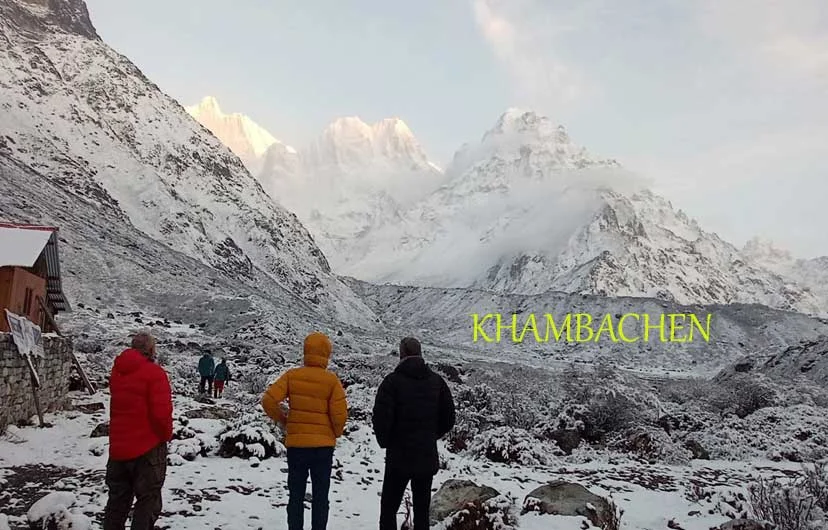
Your Kanchenjunga Base Camp Trek begins with a scenic flight from Kathmandu to Bhadrapur, followed by a long but beautiful drive toward Taplejung. The journey passes through tea gardens, terraced fields, traditional villages, and green hills of eastern Nepal. Along the way, experience the culture of Limbu and Rai communities while enjoying changing landscapes from the lowlands to the mountain region. Taplejung is the gateway to the Kanchenjunga Conservation Area and the starting point for this remote Himalayan adventure.
/ 3
Kanchenjunga Base Camp Trek 17 Days
Start-End Location
KTM-KTM
Difficulty
Strenuous
Grade: Easy
Suitable for beginners. Gentle walks and low altitudes.
Grade: Moderate
Requires basic fitness. Rolling terrain with steep climbs.
Grade: Strenuous
Demanding. High altitude trails and rough terrain.
Transportation
Flight & Jeep Drive
Max. Altitude
5,143 m
Trip Duration
17 Days
Meals
Breakfast,Lunch & Dinner
Accommodation
Tea House
Trip Highlights
-
Cross lush forests, alpine meadows and high passes.
-
Trek to both North and South Base Camps.
-
Panoramic views of Kanchenjunga, Janu, Rathong, Kabru and distant Himalayan giants.
-
Experience authentic mountain culture and traditional villages.
-
Explore both Kanchenjunga National Park and the community conserved zones. And enjoy the peace.
Overview
The Kanchenjunga Base Camp Trek is one of Nepal’s most rewarding wilderness adventures, taking you deep into the remote eastern Himalayas to the foot of Mount Kanchenjunga, the world’s third-highest mountain. Far from crowded trails, this authentic route blends dramatic alpine scenery with rich cultural encounters. You’ll walk through subtropical forests, rhododendron hillsides, yak pastures, and glacial valleys. At North and South Base Camps, you’ll see sweeping views of Kanchenjunga, Janu, and other snowcapped giants. You’ll also meet Limbu, Rai, Sherpa, and Tibetan Buddhist communities, visit ancient monasteries, and experience warm Himalayan hospitality. With proper acclimatization, experienced guides, and thoughtful planning, this challenging trek becomes a safe and truly unforgettable journey.
At Ruby Alpine Trails, we organise Kanchenjunga Base Camp treks with skilled local guides and personalised service.
Why choose the Kanchenjunga Base Camp Trek?
Well, you choose it for space and silence. For pristine trails where you can walk for hours without seeing another group. For sweeping views of Kanchenjunga and the surrounding 8,000 meter peaks. And for the sense of discovery that comes from trekking in a restricted region with deep cultural roots and genuine off-the-grid adventure. You also get two different base camp experiences and meaningful encounters in Limbu, Rai, and Tibetan Buddhist communities.
Choose this if you want raw nature, not teahouse crowds.
Kanchenjunga Base Camp Trek Route 17 days .
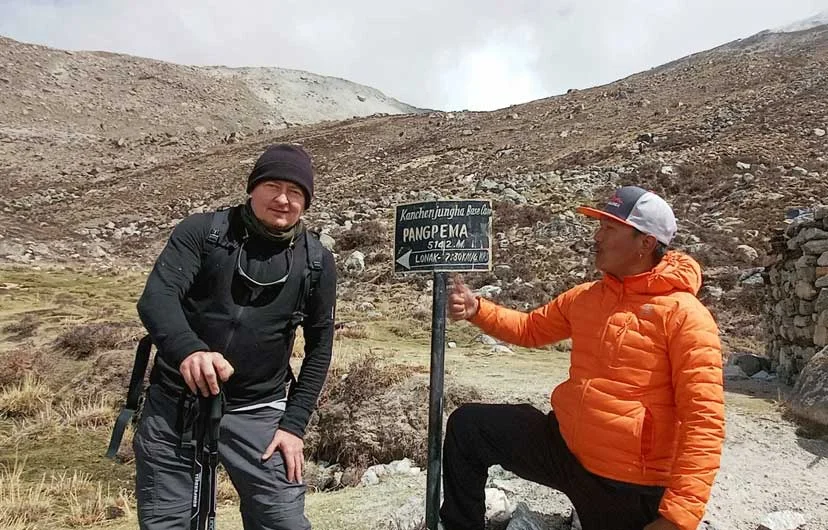
Most trips fly into Bhadrapur, then drive to Taplejung. The trek winds through low valleys into rhododendron forests and climbs toward Pangpema and the North Base Camp. Side trips may include viewpoints, sacred lakes, and quiet yak pastures.
Itinerary
- Day: 1, fly to Bhadrapur and drive to Taplejung.
- Day 2, drive from Taplejung to Sekathum.
- Day 3, trek from Sekathum to Amjilosa.
- Day 4, Amjilosa to Gyabla.
- Day 5, to Ghunsa.
- Day 6, acclimatisation day in Ghunsa, maybe a short hike nearby.
- Day 7, Ghunsa to Kambachen.
- Day 8 to Lhonak.
- Day 9, to North Base Camp at Pangpema, and back to Lhonak.
- Day 10, return to Ghunsa.
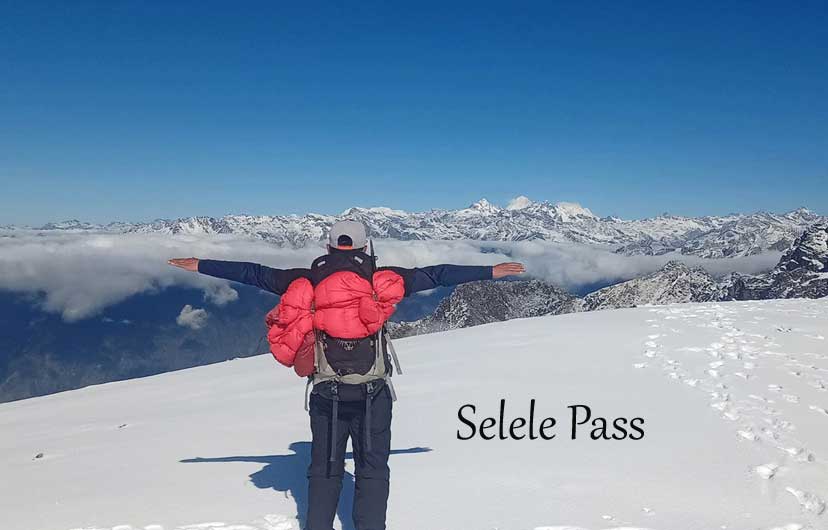
- Day 11, to Sele La.
- Day 12, to Cheram.
- Day 13, to Ramche and visit South Base Camp.
- Day 14, to Tortong.
- Day 15, to Ranipul.
- Day 16, drive to Kanyam, Ilam.
- Day 17, drive to Bhadrapur and fly to Kathmandu.
Distance and difficulty.
Total distance roughly140 to 170 kilometers depending on side trips. Daily walks 5 to 8 hours on mixed terrain with steep sections and remote conditions. The difficulty is moderately challenging to challenging. It is not technical. But you do need fitness, steady knees and patience. Altitude gradually increases, so acclimatization days really matter. The highest points are around 5,143 meters at base camp areas. So, watch for headaches, nausea and fatigue. Slow and steady wins here.
Best time to trek.
The best windows are pre-monsoon from March to May, and post-monsoon from late September to November. Expect clearer skies in autumn and blooming rhododendrons in spring. Winter can be brutal. Monsun means leeches and landslides. So timing matters.
Flora, fauna and conservation.
You’ll walk through the Kanchenjunga Conservation Area, home to red pandas, blue sheep, Himalayan black bears, and a huge variety of birds. Forests shift from subtropical to alpine, with rhododendron blooms lighting up the hillsides in season. Please trek responsibly. Stick to the trails, carry out your trash, and support community lodges where possible. Respect local customs and sacred sites. Culture and lifestyles. Meet Limbu and Rai families who farm cardamom and raise livestock. You’ll see prayer flags, chortens, and perhaps join a local festival if the timing fits. Hospitality here is sincere and unhurried.
Why Trek with Ruby Alpine Trails?
We believe that trekking is more than reaching a destination. It’s a chance to slow down, breathe fresh mountain air, and reconnect with yourself. And return home with a clear mind and unforgettable memories. Combined with our commitment to safety, and personalized service, we aim to make every trek both meaningful and refreshing.noise of everyday life,and discover the peace of the Himalayas. Trek with a team that cares about your well-being, not just the summit photos.
If the Kanchenjunga Base Camp Trek inspires you, you may also enjoy other remarkable treks across Nepal. For a similar remote and challenging camping adventure, explore the Dhaulagiri Base Camp Trek, or choose the Ganesh Himal Base Camp Trek for a mix of culture and moderate to tough trekking. For something completely different, the Upper Mustang Trek takes you through ancient trans-Himalayan desert landscapes. You can also discover Nepal’s iconic routes, like the Everest Base Camp Trek or the Annapurna Base Camp Trek, both offering breathtaking scenery and warm teahouse hospitality. Whether you want a remote wilderness expedition or a cultural journey, Ruby Alpine Trails offers professionally guided treks with a focus on safety and personalised service. Find the journey that best matches your interests.
Included
-
Transfers between hotel and the domestic airport by car/Van.
-
Roundtrip flight tickets from Kathmandu to Bhadrapur and vice versa.
-
Jeep transportation.
-
Lodge accommodations during the trek.
-
Three meals a day (breakfast, lunch, and dinner).
-
Kanchenjunga special entrance permits.
-
Experienced English-speaking trekking guide licensed by the government and familiar with the area
-
Microspikes for trekking during the winter season (December to February).
-
Kit bag for storing belongings during the trek
-
Sleeping bag suitable for temperatures as low as -25°C.
-
One porter for every two to three participants. (Note: Solo clients requiring a porter will incur an additional cost.)
-
Guide's porter, including food, lodge, transportation (air/bus), salary, insurance, and equipment.
-
Necessary paperwork, including all government and local taxes.
-
A certificate of appreciation from Ruby Alpine Trails upon completing the trek.
Excluded
-
Airfare for international flights.
-
Nepal entry visa fees upon arrival at Tribhuvan International Airport. (15 days: $25–30; 30 days: $ 40–50, etc.)Hotel accommodation in Kathmandu.
-
Personal trekking equipment suitable for high-altitude and cold temperatures.
-
Travel insurance covering emergency high-altitude rescue and evacuation.
-
Beverages, including soft drinks, caffeinated drinks, beer, and others.
-
Drinking water, desserts, and laundry services.
-
Tips for guides and porters.
-
Costs and expenses not explicitly listed under "Cost Included."
-
Additional costs or delays beyond management's control, such as landslides, extreme weather, itinerary changes due to safety concerns, illness, changes in government policies, or strikes.
Itinerary
Availability
No upcoming departures are currently scheduled. Please contact us to arrange a custom date.
Essential Trip Information
Essential Trip Information
-
Accommodation
Teahouses are basic but clean. Expect shared dining areas, simple bedrooms, and limited hot showers, usually for an extra fee. Bring a good sleeping bag rated for below freezing. Meals and drinking water. Menus usually include Dal Bhat, noodles, Tibetan bread, potatoes, and eggs. Bring water purification tablets or a filter bottle. Bottled water is discouraged.
-
Internet, electricity and charging.
During Kanchenjunga Base Camp Trek Everest Link Wi-Fi is available in some villages, but costs add up. Mobile networks are patchy and non-existent in some areas. Carry a power bank and solar charging can help on longer treks. Permits. You'll need a restricted area permit for Kanchenjunga, the Kanchenjunga Conservation Area permit. And a licensed guide. Rules are strict, and for good reason. Cost. Packages vary by group size and services. Budget for permits, guide, porter wages, accommodation, meals, and domestic transport. Flights to and from Bhadrapur add to the total. We can cost it exactly when we know your dates.
-
Insurance
You must have high-altitude trekking coverage that includes helicopter rescue. Standard policies don't always cover above 5,000 metres. Packing list. Bring layered clothing. A warm down jacket. Waterproofs, broken-in boots, trekking poles, gloves, a good hat, sun protection, a headlamp, and those water purification tablets. Also pack lip balm and sunscreen, trust me. Physical preparation. Train with long hill walks, stair climbs, and light strength work. Build to 6 to 8 hour hikes with a pack. Acclimatization is not optional, so listen to your body and your guide.
Frequently Asked Questions
About15 to 22 days depending on route and acclimatization.
It's moderately to highly challenging but not technical. Fitness and steady pacing are key.
Yes, a licensed guide is required for this restricted area.
Limited, for a fee, but connections are unreliable. Carry a power bank.
Ascend slowly, stay hydrated, rest when advised, and descend if symptoms worsen.
USD $1,800
USD $1,650
No. of Pax
Price per
Pax
2 Pax
USD $1,650
3–4 Pax
USD $1,630
5–6 Pax
USD $1,610
7–8 Pax
USD $1,590
see more…
No. of Pax
1
Price per person
USD $1,650
No. of travelers
1
Total Price
USD $1,650
Clients Review

Prem Tamang
1 month ago

Haowen C
2 months ago
Extremely great experience with yakub! 3rd time with him in nepal, doing ABC, Lang Tang (Yala Peak) and Manaslu Circuit. Highly recommend!
Amol Tamang
2 months ago

Jonathan Then
2 months ago
Had the best experience during our Manaslu Circuit Trek in early April 2026 with the most experience guide Yakub!

Jacob Koh
2 months ago
Yakub is the best guide u will get in Nepal. I trust my life with him. He brings the best crew u can get and the crew makes so much difference to ur hike!!!

Ber
2 months ago
Amazing experience with Yakub and his team! Did a couple of hikes with him, including Manaslu Circuit and Langtang valley! Highly recommend

Evan Dutton
2 months ago
I completed the Manaslu Circuit Trek in 2019 with Yakub Ghale, whom I met through a different trekking company at that time. It was truly an unforgettable experience in Nepal. Huge thanks to Yakub for his excellent guidance, deep local knowledge, and constant support throughout the journey. He was professional, friendly, and always focused on our safety and comfort.
Recently, I saw his company, Ruby Alpine Trails, shared on social media, and I couldn’t stop myself from writing this review. After experiencing his guiding service personally, I can confidently say he has now built a strong and trustworthy trekking company.
I highly recommend Ruby Alpine Trails to anyone planning to visit or trek in Nepal. With his passion, expertise, and dedication, I am sure he and his team will organize an exceptional and memorable journey for every traveler.
Thank you, Yakub, for making this adventure so special!
Recently, I saw his company, Ruby Alpine Trails, shared on social media, and I couldn’t stop myself from writing this review. After experiencing his guiding service personally, I can confidently say he has now built a strong and trustworthy trekking company.
I highly recommend Ruby Alpine Trails to anyone planning to visit or trek in Nepal. With his passion, expertise, and dedication, I am sure he and his team will organize an exceptional and memorable journey for every traveler.
Thank you, Yakub, for making this adventure so special!