

Begin your journey with an early morning departure from Kathmandu. The drive takes you along the Pasang Lhamu Highway, offering spectacular views of terraced hillsides, rivers, and distant snow-capped peaks. As you leave behind the bustling city, the rural charm of Nepal becomes evident, with traditional villages and vibrant green landscapes. Break for refreshments along the way at Trishuli Bazaar or Syabrubesi. As you approach Gatlang, you'll notice the distinct architecture of Tamang homes—stone houses with carved wooden windows. Gatlang is a culturally rich village known for its warm hospitality, traditional dances, and local crafts. Visit the Parvati Kunda, a sacred lake believed to hold spiritual significance, and enjoy a stunning sunset over Ganesh Himal.Over night in tent/ Tea House.
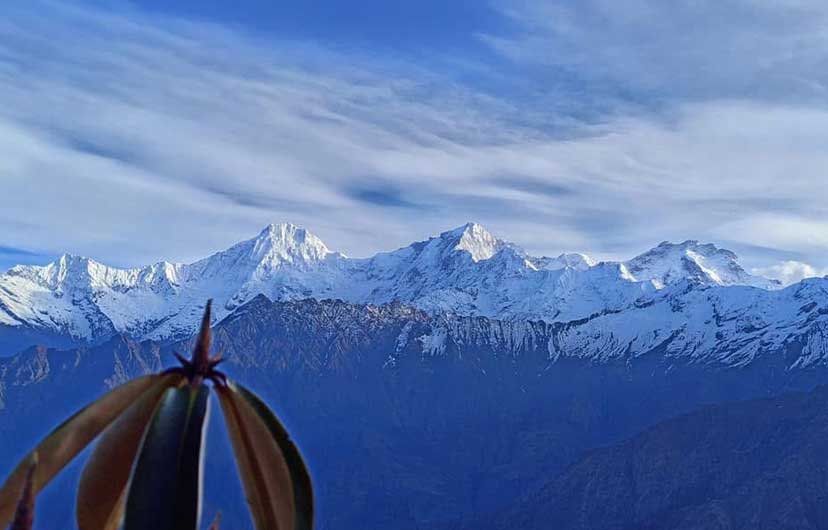
Ganesh Himal Base Camp Trek
Start-End Location
KTM-KTM
Difficulty
Strenuous
Grade: Easy
Suitable for beginners. Gentle walks and low altitudes.
Grade: Moderate
Requires basic fitness. Rolling terrain with steep climbs.
Grade: Strenuous
Demanding. High altitude trails and rough terrain.
Transportation
Bus/jeep
Trip Duration
14 Days
Meals
Breakfast,Lunch & Dinner
Accommodation
Tea house and Tent
Trip Highlights
-
Explore one of Nepal's most remote and least-crowded trekking regions.
-
Reach the spectacular Ganesh Himal Base Camp.
-
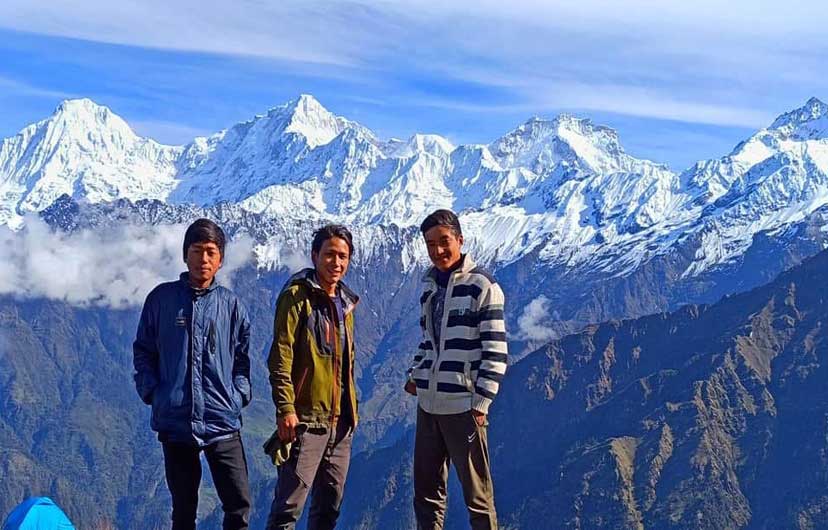
Enjoy panoramic views of Ganesh Himal, Langtang, Manaslu, and Annapurna.
-
Experience authentic Ghale, Tamang, and Gurung culture.
-
Camp in the pristine Himalayan wilderness.
-
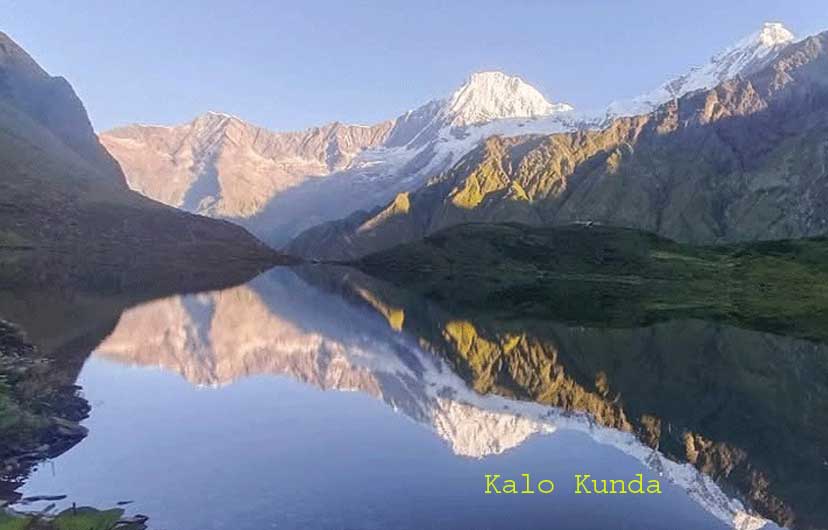
Explore the sacred alpine lakes of Ganesh Kunda, Kalo Kunda, and Seto Kunda.
-
Discover Ruby Valley's rich medicinal herbs, including Yarsagumba, Jatamansi,Chiraito etc.
-
Explore the mineral-rich Ruby Valley, known for crystals, zinc, copper, and other natural resources.
Overview
The Ganesh Himal Base Camp Trek is one of Nepal’s most spectacular off-the-beaten-path trekking adventures, offering an unforgettable combination of untouched wilderness, authentic mountain culture, and breathtaking Himalayan scenery. Located between the famous Langtang and Manaslu regions, this remote trekking route takes you deep into the heart of the Ganesh Himal range, where peaceful villages, ancient traditions, alpine landscapes, and panoramic mountain views create a truly unique Himalayan experience.
Named after Lord Ganesh, the elephant-headed Hindu deity, the Ganesh Himal range is home to several impressive peaks, including Ganesh Himal I (7,422m), Ganesh Himal II (7,118m), Ganesh Himal III (7,043m), and Ganesh Himal IV (7,052m). The trek provides close views of these magnificent mountains while allowing you to explore one of Nepal’s least-explored Himalayan regions.
Unlike popular trekking routes such as Everest Base Camp and Annapurna Base Camp, the Ganesh Himal Base Camp Trek takes you through peaceful trails where traditional lifestyles, untouched landscapes, and local cultures remain well preserved. The journey offers spectacular views of Ganesh Himal, Paldor peak, Langtang Lirung, Manaslu, Himalchuli, Annapurna, and surrounding Himalayan peaks while providing a deeper connection with Nepal’s natural and cultural heritage.
Ganesh Himal Base Camp Trek Route
The Ganesh Himal Base Camp Trek usually begins with a scenic drive from Kathmandu toward the trekking starting point. Depending on the selected itinerary, the route may begin from Syabrubesi, Gatlang, or remote villages around Dhading.
The trail passes through traditional Tamang, Gurung, and Ghale settlements, where trekkers experience local lifestyles, mountain traditions, and warm Himalayan hospitality. The route gradually moves through terraced farmland, dense forests, alpine meadows, and rugged mountain landscapes before reaching the Ganesh Himal Base Camp area.
A typical route includes:
Kathmandu → Syabrubesi/Gatlang → Tamang Villages → Forest Trails → Alpine Meadows → Ganesh Himal Base Camp → Return Route → Kathmandu
The exact itinerary can be customized based on trekking duration, camping requirements, fitness level, and desired highlights.
Natural Beauty and Mountain Views
The biggest attraction of the Ganesh Himal Base Camp Trek is its incredible natural diversity. The trail takes you through different landscapes, starting from green hills and farming terraces to dense forests, high alpine valleys, and remote Himalayan wilderness.
Throughout the trek, you can enjoy breathtaking views of:
- Ganesh Himal Range
- Langtang Lirung
- Manaslu
- Himalchuli
- Annapurna Range
- Dorje Lakpa
- Shringi Himal
- Paldor Peak
The region is also rich in biodiversity. The forests are covered with rhododendron, pine, oak, and Himalayan vegetation, creating beautiful scenery throughout the journey. During spring, blooming rhododendron forests add vibrant colors to the mountain landscape.
The area is home to various Himalayan wildlife and bird species, making it an excellent destination for nature lovers and photographers.
Flora, Fauna, and Natural Treasures of Ganesh Himal
The Ganesh Himal region is one of Nepal’s important natural areas, with rich biodiversity and valuable Himalayan resources. The forests and alpine landscapes provide habitats for different species of plants, birds, and wildlife.
The region is especially known for its medicinal plants and traditional herbal resources. Local communities have used Himalayan herbs for generations as part of their traditional healing practices.
Some valuable medicinal herbs found in the region include:
- Yarsagumba (Caterpillar Fungus)
- Jatamansi
- Chiraito
- Kutki
- Panchaule
- Other Himalayan alpine plants
Besides its rich medicinal herbs, the Ganesh Himal and Ruby Valley region is also known for its remarkable mineral wealth. The area contains natural deposits of crystals, zinc, copper, and other valuable minerals, making it one of Nepal’s geologically significant Himalayan regions. One of the historical highlights is the old zinc mine at Paudang, located on the route to Paldor Peak Base Camp. Trekkers can visit this abandoned mining site as a side trip from Somdang, offering a unique opportunity to explore the region’s mining history while enjoying the spectacular alpine landscapes.
Sacred Lakes and Hidden Natural Wonders
Beyond mountain views and cultural experiences, the Ganesh Himal region is also home to several sacred alpine lakes that hold religious importance among both Hindu and Buddhist communities.
Some important sacred lakes include:
-
- Ganesh Kunda
- Kalo Kunda
- Seto Kunda
- Parpati Kunda (Above Gatlang)
These high-altitude lakes are considered holy sites and attract pilgrims during special religious festivals. Surrounded by mountains and peaceful wilderness, these lakes provide a spiritual and unforgettable Himalayan experience.
Because these areas are located in remote alpine zones without permanent settlements, trekkers visiting these lakes usually require a camping arrangement and proper preparation.
Culture, Religion, and Traditions
The Ganesh Himal region offers an excellent opportunity to experience Nepal’s authentic mountain culture. It is home to the Tamang, Gurung, and Ghale communities, who have preserved their traditional lifestyles, languages, customs, and rich cultural heritage for generations. Buddhism and Christianity are the two major religions practiced throughout the region, while some communities also continue to follow ancient Bon and animist traditions that honor nature, sacred mountains, and ancestral spirits.
As you trek through the region, you will pass charming villages with traditional stone houses, colorful prayer flags, ancient Buddhist monasteries, chortens, mani walls, and local Christian churches, reflecting the area’s unique religious harmony. Friendly local people warmly welcome visitors, sharing their traditional cuisine, music, stories, festivals, and everyday mountain way of life.
Cultural Highlights
- Traditional Tamang, Gurung, and Ghale villages
- Ancient Buddhist monasteries, chortens, and mani walls
- Local Christian churches in several villages
- Traditional Bon and animist beliefs and rituals
- Traditional festivals, dances, and religious ceremonies
- Authentic Himalayan cuisine and warm local hospitality
- Terrace farming, yak and livestock herding, and traditional mountain lifestyles
- Handicrafts, weaving, and traditional village architecture
The Ganesh Himal Base Camp Trek offers far more than breathtaking mountain scenery. It provides a unique opportunity to experience the region’s rich cultural diversity, religious harmony, and genuine Himalayan hospitality, making every step of the journey both culturally enriching and naturally rewarding.
Difficulty Level of Ganesh Himal Base Camp Trek
The Ganesh Himal Base Camp Trek is considered a moderate to challenging trekking route due to its remote location, longer walking days, and limited facilities compared with popular trekking areas.
The trek does not require technical climbing skills, but trekkers should have good physical fitness and preparation. The trail includes uphill climbs, downhill sections, rocky paths, and high-altitude landscapes.
Trekkers should be prepared for:
- 5–7 hours of walking per day
- Remote mountain conditions
- Uneven trails
- Gradual altitude gain
- Limited accommodation facilities
- Changing weather conditions
Regular hiking, cardiovascular training, and strength exercises before the trek help improve comfort and enjoyment.
Camping Adventure and Trekking Options
The Ganesh Himal Base Camp Trek is primarily a camping adventure because the upper mountain areas do not have permanent tea houses or lodges.
A professional trekking crew manages the camping arrangements, including:
- Tents and sleeping equipment
- Kitchen support
- Freshly prepared meals
- Trekking staff
- Camp management
For travelers who want a shorter and more comfortable experience, the Ganesh Himal Ruby Valley Trek provides an excellent alternative.
Ganesh Himal Ruby Valley Trek – A Short Introduction to the Ganesh Himal Region
The Ganesh Himal Ruby Valley Trek is a shorter trekking option that introduces travelers to the beauty and culture of the Ganesh Himal region. This trek can usually be completed in around 6 days from Kathmandu to Kathmandu, making it ideal for travelers with limited time.
Also known as the Lower Ganesh Himal Trek, this route focuses on traditional villages, cultural experiences, and beautiful Himalayan scenery rather than remote high-altitude camping.
Unlike the Ganesh Himal Base Camp Trek, the Ruby Valley Trek does not require tents. Trekkers can stay in local tea houses and homestays, experiencing authentic village hospitality while exploring the hidden valleys of Nepal.
The trek introduces travelers to:
- Gatlang village
- Tamang culture
- Traditional mountain settlements
- Terraced fields
- Forest trails
- Himalayan viewpoints
- Local lifestyles
The Ruby Valley Trek is an excellent choice for travelers who want to experience the Ganesh Himal region before attempting the longer Base Camp adventure.
Why Choose Ganesh Himal Base Camp Trek?
The Ganesh Himal Base Camp Trek is perfect for travelers who want to discover Nepal beyond the popular trekking routes. It offers a rare combination of wilderness, culture, adventure, and natural beauty.
This trek allows you to:
- Explore a hidden Himalayan region
- Experience peaceful and uncrowded trails
- Visit authentic mountain villages
- Discover Tamang, Gurung, and Ghale cultures
- Enjoy spectacular Himalayan views
- Explore sacred lakes and natural treasures
- Experience a true camping adventure
For adventure seekers looking for a unique Himalayan journey, Ganesh Himal provides an unforgettable experience filled with nature, culture, and discovery.
Plan your trip with
Ruby Alpine Trails organizes authentic Himalayan adventures with experienced local guides who understand the trails, culture, and environment of Nepal’s remote trekking regions.
We provide:
- Experienced local trekking guides
- Carefully planned itineraries
- Safe and responsible trekking services
- Authentic cultural experiences
- Camping and homestay trekking options
- Personalized trekking support
Whether you choose the challenging treks or shorter treks. Ruby Alpine Trails helps you explore one of Nepal’s most beautiful and hidden Himalayan destinations with safety, comfort, and genuine local experience.
Included
-
Private car transfer from the hotel to the bus park.
-
Public jeep transportation from Kathmandu to Gatlang and Borang to Kathmandu .
-
Lodge accommodation and homestay during the trek.
-
Three meals a day (breakfast, lunch, and dinner) with tea or coffee
-
National park entry permits and TIMS card.
-
An experienced, government-registered, fluent English-speaking guide, trained in first aid and familiar with the region.
-
Required porters (one porter for every two clients).
-
Camping gear and staff arrangements.
-
Essential trekking equipment such as sleeping bags and jackets.
-
Guide and porter expenses, including food, accommodation, bus transportation, salary, insurance, and equipment.
Excluded
-
Accommodation in Kathmandu.
-
Personal trekking equipment.
-
Beverages (soft and hard drinks such as Coke, beer, mineral water, etc.).
-
Hot showers and laundry during the trek.
-
Personal insurance.
-
Tips for the guide, porters and camping staffs.
Itinerary
Availability
No upcoming departures are currently scheduled. Please contact us to arrange a custom date.
Essential Trip Information
Essential Trip Information
-
Best Time for Ganesh Himal Base Camp Trek
The best seasons for the Ganesh Himal Base Camp Trek are spring and autumn.
- Spring Season (March to May): Spring offers pleasant weather, clear mountain views, and colorful rhododendron forests. The temperature remains comfortable for trekking, making it one of the most popular seasons.
- Autumn Season (September to November):Autumn provides stable weather, excellent visibility, and clear Himalayan views. The skies remain mostly clear, making it the best season for photography and mountain scenery.
Winter trekking is possible for experienced trekkers, but cold temperatures and snowfall may create challenges at higher elevations. The monsoon season is less recommended because rain can make trails slippery and reduce mountain visibility.
-
Accommodation During Ganesh Himal Base Camp Trek
Accommodation on the Ganesh Himal Base Camp Trek includes local teahouses, homestays, and camping, depending on the route and altitude. Lower villages offer simple teahouses and homestays, while higher sections require camping due to the lack of permanent lodges.
Facilities are basic but comfortable, allowing trekkers to experience authentic Himalayan hospitality and mountain life.
Most accommodations provide:
- Basic private or shared rooms
- Tents at higher elevations
- Blankets and bedding
- Traditional Nepali meals
- Common dining areas
Due to the remote nature of the region, trekkers should expect simple facilities and enjoy the peaceful charm of Himalayan living.
-
Food and Drinking Water
During local teahouses and homestays serve simple yet nutritious meals in the lower villages. Popular dishes include dal bhat (rice, lentils, and vegetables), noodles, Tibetan bread, potatoes, eggs, seasonal vegetables, and other local specialties.
During the camping section of the trek, our experienced kitchen team prepares fresh, hygienic, and nutritious mealsto keep trekkers energized throughout the journey.
Safe drinking water is available at many stops, but we recommend carrying water purification tablets or a reusable filtration bottle before drinking untreated water.
-
Internet Facilities in Ganesh Himal Base Camp Trek
In lower villages such as Syabrubesi, Gatlang, and Tipling, get limited mobile network coverage from Nepal Telecom (NTC). However, as the trail moves toward higher and more isolated areas like Somdang, Pangsang Pass, and Ganesh Himal Base Camp, network signals unavailable.
During the camping sections of the trek, there are no Wi-Fi facilities or reliable internet connections. Our trekking team provides necessary communication support when required. Trekkers should carry a power bank or solar charger to keep their devices charged, as electricity and charging facilities are limited in remote areas.
The lack of connectivity offers a perfect opportunity to disconnect from daily digital life and fully enjoy the untouched Himalayan landscapes, peaceful surroundings, and authentic local experiences.
Frequently Asked Questions
The trek usually takes around 10–16 days depending on the chosen route and trekking pace.
The exact base camp altitude varies depending on the route, but most trekking routes reach approximately 4,000–4,500 meters.
Previous trekking experience is helpful but not mandatory. Regular hiking preparation and good physical fitness are recommended.
The trek offers a peaceful, less crowded experience with authentic villages, untouched landscapes, and close interaction with local communities.
No. of Pax