
;

Short Annapurna Circuit Trek

Start-End Location

Kathmandu/Kathmandu

Difficulty

Challenging

Grade: Easy

Suitable for beginners. Gentle walks and low altitudes.

Grade: Moderate

Requires basic fitness. Rolling terrain with steep climbs.

Grade: Strenuous

Demanding. High altitude trails and rough terrain.

Grade: Challenging

Very demanding. High passes and glacial walking.

Transportation

Jeep/Bus

Max. Altitude

5,416 m

Trip Duration

9 Days

Meals

Breakfast,Lunch & Dinner

Accommodation

Tea house

Trek Highlights

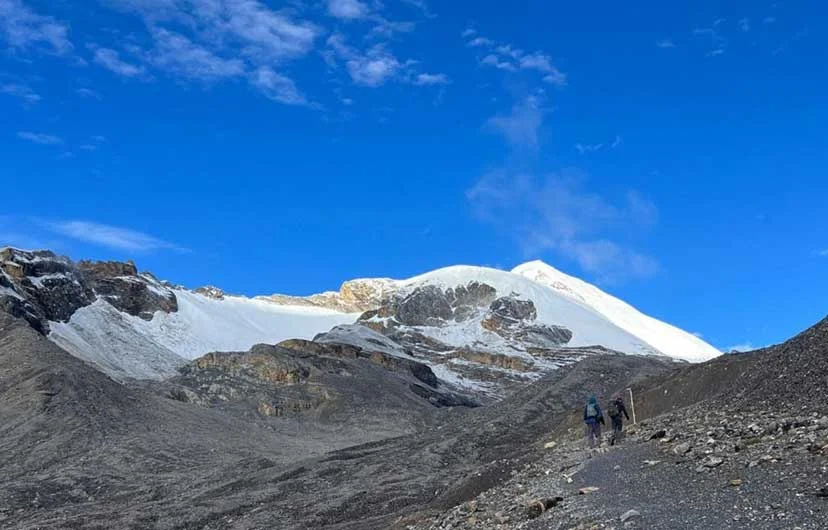
  • Thorong La Pass (5,416m): The ultimate goal and a bucket-list experience for any trekker.
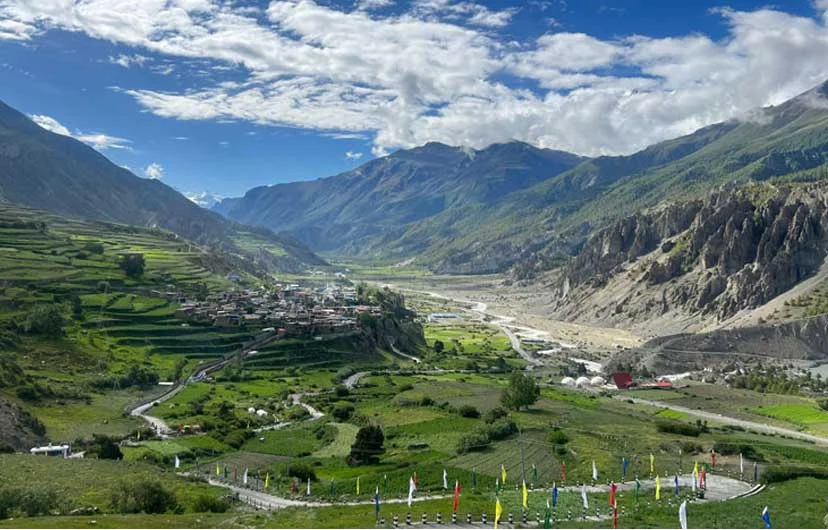
  • Manang Village: A culturally rich town offering stunning scenery and high-altitude hospitality.
  • Muktinath Temple: A sacred site for both Hindus and Buddhists, located in the Mustang region.
  • Scenic Variety: From lush forests and rice terraces to arid alpine deserts.
  • Panoramic Views: Annapurna I, II, III, IV, Dhaulagiri, Tilicho Peak, and Gangapurna.
  • Lakes: Gangapurna Lake and the emerald-hued Green Lake.
  • Wildlife: Possible sightings of Himalayan blue sheep, yaks, snow leopards (rare), lammergeiers, Himalayan griffon vultures, and marmots.

Overview

The Short Annapurna Circuit Trek 9 days offers one of Nepal’s most scenic and culturally rich trekking experiences in a shorter timeframe. Located in the Annapurna region of central Nepal, the route passes through dramatic landscapes that range from lush valleys to arid high-altitude deserts. Unlike the traditional 12–15 day circuit, and often skipping Tilicho Lake, this 9-day version focuses on the most iconic highlights. Thorong La Pass, Manang Valley, and the sacred Muktinath Temple are all included. Ideal for trekkers with limited time, the journey delivers breathtaking views of the Annapurna and Dhaulagiri ranges while immersing you deeply in Himalayan culture and mountain life.

Best Seasons for Short Annapurna Circuit Trek

Spring (March to May) is a favorite season for trekking the Short Annapurna Circuit Trek 9 days. Rhododendrons bloom across the hillsides, forests turn vibrant green, and temperatures remain mild. Longer daylight hours make trekking comfortable and visually rewarding.

Autumn (September to November) is widely considered the best season. Stable weather, crisp mountain air, and clear skies create perfect conditions for crossing Thorong La Pass. Visibility is at its best during this period, offering stunning views of the Annapurna and Dhaulagiri ranges.

Winter (December to February) can still be suitable, especially in the lower sections of the circuit. Snowfall adds beauty and solitude to the trail. However, heavy snow may block Thorong La Pass, so proper winter gear and itinerary flexibility are essential.

Monsoon (June to August) is generally less popular due to rainfall and slippery trails. That said, regions such as Manang Valley and Mustang lie in Nepal’s rain-shadow zone and receive significantly less rain. For trekkers who prefer fewer crowds, monsoon trekking offers a quieter atmosphere, fresh landscapes, and blooming alpine vegetation.

Local Culture and Etiquette

Respecting local traditions adds depth and meaning to your Short Annapurna Circuit Trek experience. The trail passes through villages inhabited by Gurung, Thakali, and Tibetan-influenced communities, each with distinct customs and spiritual beliefs. When photographing people or religious sites, always ask for permission, especially inside monasteries. Dressing modestly is appreciated in rural areas and sacred spaces. As you pass chortens, mani walls, and prayer wheels, walk clockwise as a sign of respect. Shoes should be removed before entering monasteries or local homes. Simple gestures, such as greeting locals with “Namaste,” help create warm connections. Public displays of affection are discouraged, particularly in conservative villages. Supporting local teahouses, handicrafts, and cuisine contributes directly to the local economy and promotes sustainable tourism. Engaging with local culture—through food, stories, or learning a few Nepali phrases—makes the trek far more memorable.

Flora and Fauna Along the Annapurna Circuit

The Short Annapurna Circuit Trek 9 days reveals an impressive range of wildlife and vegetation as the landscape shifts with altitude. Along rocky cliffs, Himalayan blue sheep can often be seen grazing, while marmots pop up across alpine meadows. Yaks dominate the high pastures. In quieter and more remote areas of the trail, trekkers may occasionally hear stories of snow leopard sightings, although such encounters are rare. Other species such as Himalayan thar, musk deer, and goral add to the region’s rich biodiversity. Overhead, the skies are frequently filled with soaring lammergeiers and Himalayan griffon vultures, joined by snow pigeons, choughs, pheasants, and the striking Himalayan monal, Nepal’s national bird.

Plant life changes just as dramatically. Lower and mid-elevation forests glow with blooming rhododendrons during spring. As the trail climbs toward Upper Pisang, juniper and pine forests begin to dominate the landscape, creating a drier alpine feel. Near settlements like Dharapani, bamboo and oak forests thrive along the river valleys. Higher still, alpine meadows open up and briefly explode with edelweiss and blue poppies in early summer. Medicinal herbs such as yarsagumba (cordyceps) grow in the high pastures, while villages like Manang and Braga are surrounded by terraced fields of buckwheat and barley that reflect centuries-old mountain farming traditions.

Why Short Annapurna Circuit Trek 9 Days with Us?

Trekking the Short Annapurna Circuit Trek 9 days with us means traveling with experienced local guides who understand the mountains, the culture, and the people who live along the trail. Their knowledge goes beyond the route itself. We create flexible itineraries that adapt to your time, interests, and physical comfort, rather than forcing a rigid schedule. Pricing remains clear and transparent, so there are no surprises along the way. Safety is taken seriously at every stage, from permits and logistics to altitude awareness and daily trekking pace. We also follow eco-friendly trekking practices that support local communities and help protect the fragile Himalayan environment. Throughout the journey, you’ll enjoy genuine cultural encounters and have access to our 24/7 support for complete peace of mind.

Trek smarter, safer, and deeper into Nepal’s beauty with a team that truly cares.

The Short Annapurna Circuit Trek 9 days combines mountain views, wildlife, flora, and culture in a compact journey. Whether you’re an experienced hiker or a fit beginner, this trek rewards you with epic views, unique culture, and a deep sense of achievement — all without needing three weeks off your schedule.

If you’re seeking a high-altitude trek that combines beauty, challenge, and culture — all within a short period — this is it. The short Annapurna Circuit trek 9 days  is proof that even a condensed adventure can be a life-changing journey.

Add-ons & Options

Choose the optional services that best suit your Short Annapurna Circuit Trek travel plans.

Private Jeep Transfer

A private jeep transfer from Kathmandu to Chame can be arranged for an additional cost of USD 250.

Flight from Jomsom to Pokhara

A flight from Jomsom to Pokhara can be arranged at an additional cost.

Booking process

How to Add Options

Personalizing your Short Annapurna Circuit Trek is simple—follow these steps.

  1. 01

    Choose your preferred departure date.

  2. 02

    Indicate the number of travelers.

  3. 03

    Click the "Book Now" button.

  4. 04

    Select your preferred add-ons.

  5. 05

    Complete the payment process.

Itinerary

Distance230 km
AccommodationTea House
MealsLunch & Dinner
Duration9-10 hours drive

Adventure begins with an early morning departure from Kathmandu, heading west along the Prithvi Highway. The drive to Besisahar is mostly smooth and paved, passing through vibrant towns, lush river valleys, and terraced farmland. From Besisahar, the road becomes rougher and more rugged as you continue toward Chame by off-road vehicle. Following the Marsyangdi River, the journey gradually gains elevation, with views of waterfalls, pine forests, and towering cliffs. Chame, the district headquarters of Manang, is a small mountain town with teahouses, lodges, and shops. Overnight in Chame.

Availability

No upcoming departures are currently scheduled. Please contact us to arrange a custom date.

Essential Trip Information

Essential Trip Information

  • Accommodation on the Annapurna Circuit

    The Annapurna Circuit is well-equipped with teahouse lodges that provide basic yet comfortable accommodation throughout the trail. Most rooms are twin-sharing and come with simple beds, foam mattresses, pillows, and blankets. However, as the altitude increases, temperatures drop significantly, so carrying a warm sleeping bag is highly recommended for added warmth and comfort.

    Bathrooms are usually shared, and facilities can be quite basic. Hot showers are generally available for an additional charge, often using solar or gas-heated water. Charging electronic devices is possible in most lodges but comes at a fee.

  • Insurance

    Travel insurance is essential when trekking the Annapurna Circuit, not just for peace of mind but also as a safety requirement. Your policy must explicitly cover high-altitude trekking, ideally up to 5,500 meters, to ensure you're protected during the ascent to Thorong La Pass.

    Key coverage should include emergency helicopter evacuation, medical treatment, hospitalization, and trip delays or cancellations due to weather or other unforeseen events. It's wise to carry digital or printed copies of your insurance documents.

  • Food on the Trail

    Food is widely available at teahouses along the Annapurna Circuit and is usually prepared fresh using local ingredients. Popular meals include dal bhat (a staple combination of rice, lentils, and seasonal vegetables), along with hearty options like noodles, soups, momos, pancakes, and fried or boiled potatoes.

    Most teahouses offer vegetarian dishes, which are safer to eat at higher altitudes where proper meat storage can be unreliable. To keep your energy levels up during long hiking days, carrying energy bars or snacks is a smart idea. These are lightweight, convenient, and perfect for quick fuel on the trail. You can also find snacks and chocolate bars for sale at most teahouses, although prices increase with altitude.

  • Communication

    While mobile network coverage is available in many of the lower-altitude villages like Chame, Pisang, and Manang, signal strength becomes weak or unavailable at higher elevations. NTC and Ncell SIM cards can work in some areas, but it's best not to rely solely on mobile service.

    Teahouses offer Wi-Fi for an extra fee (usually NPR 300–500), though speeds can be slow and connections unreliable.

  • Local Currency

    The local currency on the Annapurna Circuit is the Nepalese Rupee (NPR), and it’s important to carry enough cash to cover your personal expenses throughout the trek. While ATMs are available in Kathmandu, they become rare and unreliable once you’re on the trail. Some can be found in larger villages like Manang, Jomsom, and Muktinath, but there’s no guarantee they’ll be working when you need them.

    Although three meals a day are included in our trekking package, you should still carry extra cash (preferably in small denominations) for drinks, Wi-Fi, hot showers, charging, snacks, and occasional treats. These extras are not covered in the package and can only be paid in NPR. Credit cards and foreign currency are not accepted along the trail

  • Water – Stay Hydrated the Smart Way

    Hydration is crucial on the Annapurna Circuit, especially at higher altitudes. While water is available in villages, it's not always safe to drink untreated. Instead of buying bottled water—which is costly and harmful to the environment—use purification tablets, chlorine drops, or a portable filter.

    Many teahouses offer boiled water for a small fee. Carry reusable bottles or a hydration bladder and aim to drink at least 3–4 liters daily to prevent dehydration and reduce the risk of altitude sickness.

  • Related other  Treks in the Annapurna Region

    The Annapurna region offers a wide variety of trekking options that can be customized based on your interests, fitness level, and available time. Whether you’re looking for a quick escape or an extended adventure, here are some popular alternatives:

    1. 12 days Annapurna Circuit Trek with Tilicho Lake: A more adventurous version of the classic circuit that includes a side trip to Tilicho Lake (4,919m) — one of the highest lakes in the world.
    2. Annapurna Base Camp Trek (5 Days): A shorter yet rewarding trek that takes you straight into the heart of the Annapurna Sanctuary, surrounded by towering Himalayan peaks.
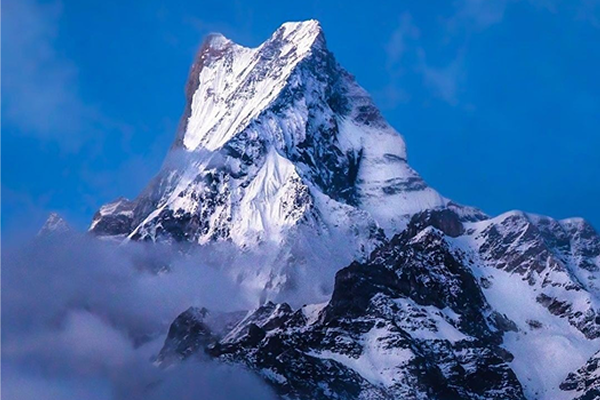
    3. Mardi Himal Base Camp Trek 4 days from Pokhara to Pokhara:  Spectacular close-up views of Machapuchare (Fishtail) and the Annapurna range.
    4. Ghorepani Poon Hill Trek in 3 -5 days from pokhara to pokhara: Ideal for beginners or those with limited time, this trek offers stunning sunrise views over the Annapurna and Dhaulagiri ranges from Poon Hill (3,210m).

Packing Essentials

Packing Essentials

  • Packing List for Short Annapurna Circuit Trek (Essential & Lightweight)

  • Clothing

    • Base layers (2 sets)Warm fleece or down jacket
    • Waterproof jacket & trousers
    • Trekking pants (2 pairs)
    • Moisture-wicking t-shirts (2–3)
    • Warm hat & sun hat
    • Gloves (warm & lightweight)
    • Buff or neck gaiter
  • Footwear

    • Trekking boots (broken-in)
    • Camp shoes or sandals
    • Wool/synthetic socks (3–4 pairs)
  • Gear

    • Backpack (30–40L)
    • Sleeping bag (rated to -10°C)
    • Headlamp with extra batteries
    • Reusable water bottles (2L total)
    • Trekking poles (optional but helpful)
  • Personal Items

    • Sunglasses (UV-protected)
    • Sunscreen & lip balm (SPF 30+)
    • Basic toiletries & quick-dry towel
    • Personal first-aid kit & medications
    • Snacks (nuts, energy bars)
  • Documents & Misc

    • Passport & trekking permits (ACAP, TIMS)
    • Power bank & charging cables
    • Lightweight quick-dry towel
    • Cash (for tea houses and tips)
    •  Keep it light, porters have a 10–12kg limit per person.
No. of Pax Price per Pax
1 Pax USD $890
2 Pax USD $790
3–4 Pax USD $780
5–6 Pax USD $770
see more…

No. of Pax

1
Price per person
No. of travelers 1

Total Price
;