


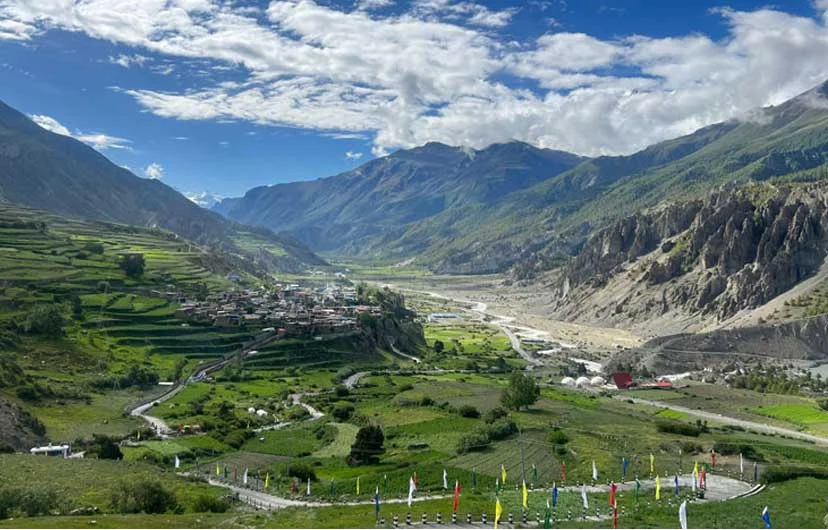
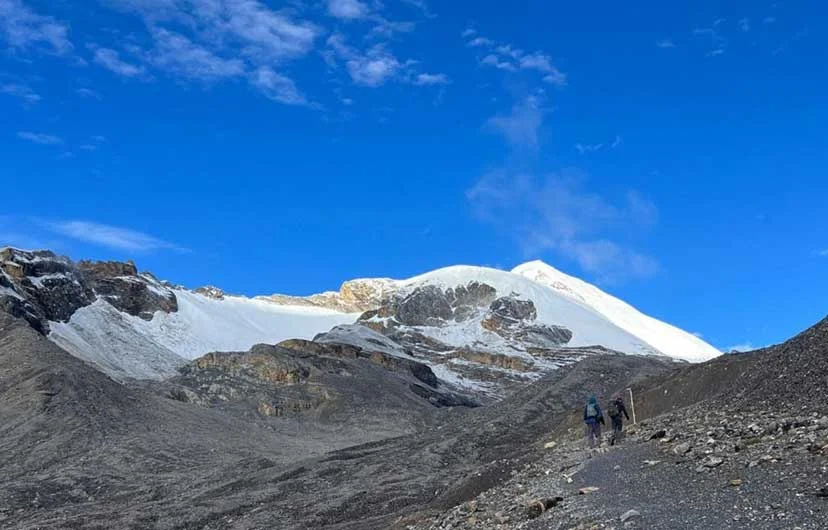

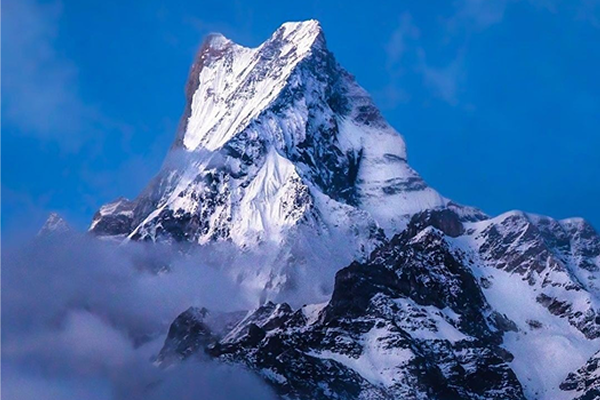


The Short Annapurna Circuit Trek 9 days offers one of Nepal’s most scenic and culturally rich trekking experiences in a shorter timeframe. Located in the Annapurna region of central Nepal, the route passes through dramatic landscapes that range from lush valleys to arid high-altitude deserts. Unlike the traditional 12–15 day circuit, and often skipping Tilicho Lake, this 9-day version focuses on the most iconic highlights. Thorong La Pass, Manang Valley, and the sacred Muktinath Temple are all included. Ideal for trekkers with limited time, the journey delivers breathtaking views of the Annapurna and Dhaulagiri ranges while immersing you deeply in Himalayan culture and mountain life.
Best Seasons for Short Annapurna Circuit Trek
Spring (March to May) is a favorite season for trekking the Short Annapurna Circuit Trek 9 days. Rhododendrons bloom across the hillsides, forests turn vibrant green, and temperatures remain mild. Longer daylight hours make trekking comfortable and visually rewarding.
Autumn (September to November) is widely considered the best season. Stable weather, crisp mountain air, and clear skies create perfect conditions for crossing Thorong La Pass. Visibility is at its best during this period, offering stunning views of the Annapurna and Dhaulagiri ranges.
Winter (December to February) can still be suitable, especially in the lower sections of the circuit. Snowfall adds beauty and solitude to the trail. However, heavy snow may block Thorong La Pass, so proper winter gear and itinerary flexibility are essential.
Monsoon (June to August) is generally less popular due to rainfall and slippery trails. That said, regions such as Manang Valley and Mustang lie in Nepal’s rain-shadow zone and receive significantly less rain. For trekkers who prefer fewer crowds, monsoon trekking offers a quieter atmosphere, fresh landscapes, and blooming alpine vegetation.
Local Culture and Etiquette
Respecting local traditions adds depth and meaning to your Short Annapurna Circuit Trek experience. The trail passes through villages inhabited by Gurung, Thakali, and Tibetan-influenced communities, each with distinct customs and spiritual beliefs. When photographing people or religious sites, always ask for permission, especially inside monasteries. Dressing modestly is appreciated in rural areas and sacred spaces. As you pass chortens, mani walls, and prayer wheels, walk clockwise as a sign of respect. Shoes should be removed before entering monasteries or local homes. Simple gestures, such as greeting locals with “Namaste,” help create warm connections. Public displays of affection are discouraged, particularly in conservative villages. Supporting local teahouses, handicrafts, and cuisine contributes directly to the local economy and promotes sustainable tourism. Engaging with local culture—through food, stories, or learning a few Nepali phrases—makes the trek far more memorable.
Flora and Fauna Along the Annapurna Circuit
The Short Annapurna Circuit Trek 9 days reveals an impressive range of wildlife and vegetation as the landscape shifts with altitude. Along rocky cliffs, Himalayan blue sheep can often be seen grazing, while marmots pop up across alpine meadows. Yaks dominate the high pastures. In quieter and more remote areas of the trail, trekkers may occasionally hear stories of snow leopard sightings, although such encounters are rare. Other species such as Himalayan thar, musk deer, and goral add to the region’s rich biodiversity. Overhead, the skies are frequently filled with soaring lammergeiers and Himalayan griffon vultures, joined by snow pigeons, choughs, pheasants, and the striking Himalayan monal, Nepal’s national bird.
Plant life changes just as dramatically. Lower and mid-elevation forests glow with blooming rhododendrons during spring. As the trail climbs toward Upper Pisang, juniper and pine forests begin to dominate the landscape, creating a drier alpine feel. Near settlements like Dharapani, bamboo and oak forests thrive along the river valleys. Higher still, alpine meadows open up and briefly explode with edelweiss and blue poppies in early summer. Medicinal herbs such as yarsagumba (cordyceps) grow in the high pastures, while villages like Manang and Braga are surrounded by terraced fields of buckwheat and barley that reflect centuries-old mountain farming traditions.
Why Short Annapurna Circuit Trek 9 Days with Us?
Trekking the Short Annapurna Circuit Trek 9 days with us means traveling with experienced local guides who understand the mountains, the culture, and the people who live along the trail. Their knowledge goes beyond the route itself. We create flexible itineraries that adapt to your time, interests, and physical comfort, rather than forcing a rigid schedule. Pricing remains clear and transparent, so there are no surprises along the way. Safety is taken seriously at every stage, from permits and logistics to altitude awareness and daily trekking pace. We also follow eco-friendly trekking practices that support local communities and help protect the fragile Himalayan environment. Throughout the journey, you’ll enjoy genuine cultural encounters and have access to our 24/7 support for complete peace of mind.
Trek smarter, safer, and deeper into Nepal’s beauty with a team that truly cares.
The Short Annapurna Circuit Trek 9 days combines mountain views, wildlife, flora, and culture in a compact journey. Whether you’re an experienced hiker or a fit beginner, this trek rewards you with epic views, unique culture, and a deep sense of achievement — all without needing three weeks off your schedule.
If you're seeking a high-altitude trek that combines beauty, challenge, and culture — all within a short period — this is it. The short Annapurna Circuit trek 9 days is proof that even a condensed adventure can be a life-changing journey.